


When we first began analyzing the Portuguese online casino landscape, one trend emerged with remarkable clarity: the relentless rise of e-wallet transactions https://fridayrollcasino.com.pt/. At Fridayroll Casino, we have followed this shift unfold from the front row, and the data tells a fascinating story. Portuguese players are deserting traditional banking methods in droves, and for good reason. The marriage between e-wallets and online casinos represents one of the most significant technological convergences in the gambling industry’s recent history. Yet beneath the surface of convenience rests a complex ecosystem of security protocols, regulatory frameworks, and user experience considerations that most players never see. We have devoted countless hours examining payment flows, speaking with industry insiders, and evaluating every major e-wallet solution available to Portuguese users. What we discovered questions many assumptions about how digital payments actually function in a casino environment, and why some widely-held beliefs about e-wallet security merit a much closer look.
Regulatory Adherence and the Portuguese Regulatory System
Portugal’s Serviço de Regulação e Inspeção de Jogos operates one of Europe’s more rigorous regulatory frameworks, and e-wallet providers must traverse a complex web of requirements to serve Portuguese casino players. Every approved e-wallet functioning in the Portuguese market experiences mandatory audits that review anti-money laundering procedures, data localization practices, and consumer fund segregation. We have seen that this regulatory intensity creates an interesting filtering outcome: e-wallet providers that survive Portuguese licensing tend to be exceptionally well-capitalized and operationally disciplined. The SRIJ mandates that player funds held in e-wallets be maintained in isolated, protected accounts that cannot be reached by the provider’s creditors in bankruptcy scenarios. This condition alone eliminates many global e-wallet operators who consider Portuguese compliance costs prohibitive. For players at Fridayroll Casino, this implies the available e-wallet options, while more limited in number than in less regulated markets, form a curated set of providers that have shown genuine financial stability and operational soundness. The Portuguese regulatory strategy may irritate some international operators, but we think it in the end serves player protection in ways that less rigorous jurisdictions cannot match.
Emerging Pathways and Innovative Technologies
The e-wallet landscape serving Portuguese casino players is at the verge of revolutionary change, and we have identified several trends that will redefine standards within the next three years. Open banking APIs, enabled by PSD2 regulations, are beginning to blur the difference between traditional bank accounts and e-wallets, likely forming hybrid instruments that combine the regulatory protections of banking with the speed and privacy of e-wallet transactions. We are also monitoring the advent of blockchain-based settlement layers that could cut transaction costs by bypassing intermediary processors, though regulatory uncertainty continues to slow adoption in the Portuguese market. Biometric payment authentication is progressing beyond fingerprints toward behavioral analysis that perpetually validates identity based on interaction patterns, promising to eliminate explicit authentication steps entirely. Perhaps most significantly for Portuguese players, we foresee the arrival of domestic fintech companies into the casino payment space, offering local market knowledge that international providers cannot match. At Fridayroll Casino, we sustain active relationships with payment technology developers to ensure our platform remains at the forefront of these developments, because we understand that payment experience more and more influences where Portuguese players decide to spend their entertainment budget.
The Safety Contradiction Nobody Mentions
This is where the real story takes an unexpected turn. The common belief indicates that e-wallets are intrinsically more secure than credit cards for casino transactions, but our investigation reveals a more nuanced reality. E-wallets establish a valuable buffer between your bank account and the casino, that much is undeniable. However, this buffer creates a new attack surface that sophisticated fraudsters have begun using with alarming creativity. We have recorded cases where compromised e-wallet accounts were used to launder money through multiple casino platforms before the legitimate owner detected anything amiss. The very feature that makes e-wallets appealing, their detachment from traditional banking oversight, also makes fraudulent activity harder to track and reverse. Leading providers have responded by implementing behavioral biometrics that assess how you type, swipe, and even hold your device to establish continuous authentication. At Fridayroll Casino, we have added additional verification layers that work in tandem with e-wallet security rather than simply depending on the provider’s safeguards. The lesson we have learned is that true security comes from overlapping, redundant systems rather than any single solution, no matter how sophisticated.
The Breakdown of an E-wallet Casino Transaction
Comprehending what happens when you hit that deposit button requires revealing numerous layers of technology that function in near-instantaneous harmony. When a Portuguese player triggers an e-wallet deposit at Fridayroll Casino, the transaction sets off a advanced chain reaction that starts with tokenization. Your real financial details never touch the casino server. Instead, the e-wallet provider generates a distinct, single-use cryptographic token that symbolizes your funds without revealing your identity. This token passes through an encrypted tunnel directly to the payment processor, where it experiences real-time fraud scoring before authorization. The entire sequence usually completes in under three seconds, but within that brief window, your transaction has been scrutinized by machine learning algorithms looking for anomalous patterns, verified against international sanctions lists, and matched with device fingerprinting data. We consider it remarkable that most players experience this as nothing more than a quick loading spinner, completely unaware of the military-grade security infrastructure operating on their behalf. The elegance of modern e-wallet architecture lies specifically in making extraordinarily complex processes feel utterly mundane.
What makes Portuguese Players Are Leaving Bank Transfers
The decrease of traditional bank transfers in Portugal’s online casino sector is not merely a convenience story, it represents a fundamental shift in consumer trust. We have analyzed transaction data across multiple platforms and the pattern is clear: Portuguese players progressively view bank transfers as an anachronism in an age of instant gratification. The three-to-five business day waiting period that banks routinely impose on casino withdrawals feels punitive to a generation accustomed to real-time everything. Beyond speed, there is the matter of financial privacy that resonates deeply with Portuguese cultural attitudes. Bank statements that display casino-related line items lead to uncomfortable conversations with mortgage advisors, accountants, and occasionally suspicious spouses. E-wallets solve this elegantly by consolidating all gambling activity behind a single, neutral transaction descriptor. We have interviewed dozens of Portuguese players who switched to e-wallets specifically because they wanted their recreational spending to remain compartmentalized from their primary banking relationship. This desire for financial discretion, often misinterpreted as secrecy, actually reflects a mature approach to personal budget management that Portuguese consumers have taken to faster than most European counterparts.
Fee Schedules and Undisclosed Charges Uncovered
We chose to perform an exhaustive audit of e-wallet fee structures as they pertain to Portuguese casino players, and what we discovered merits careful attention. The stated fees advertised by e-wallet providers show only a part of the story. Currency conversion constitutes the most significant hidden cost, particularly for Portuguese players who load their e-wallets in euros but sometimes play at platforms quoted in other currencies. We calculated conversion markups ranging from 2.5% to 4.8% above the interbank rate across major e-wallet providers, differences that build up significantly over months of regular play. Withdrawal fees create another web of complexity. Some e-wallets charge flat fees per casino withdrawal, others use a percentage, and a few provide free withdrawals but recoup costs through less favorable exchange rates. We have also pinpointed a practice we name velocity-based pricing, where e-wallet providers alter fees based on transaction frequency patterns that their algorithms view as indicating commercial rather than recreational use. At Fridayroll Casino, we have negotiated preferential fee agreements with our integrated e-wallet partners, but we maintain transparency demands admitting that the true cost of e-wallet convenience varies markedly based on individual playing patterns and the specific provider chosen.
Integration Architecture and Platform Compatibility
The actual situation of integrating e-wallet infrastructure to casino platforms involves far more complexity than the smooth user experience suggests. We have examined the API architectures that power these integrations and found significant differences in how different e-wallet providers handle critical functions like session management, timeout handling, and transaction reconciliation. The most solid solutions use webhook-based notification systems that deliver real-time transaction status updates, eliminating the reconciliation nightmares that afflict polling-based approaches. Portuguese-facing casinos must also address Multibanco integration requirements, forming hybrid payment flows where e-wallets interface with local Portuguese payment rails in ways that international providers sometimes struggle to implement correctly. We have observed integration failures where e-wallet deposits looked successful to the player but failed unnoticed on the casino side, creating support tickets that took days to resolve. The providers that work best in the Portuguese market have invested resources to address local payment peculiarities rather than seeking to force-fit generic European solutions. This behind-the-scenes technical investment directly impacts the reliability that Portuguese players encounter when funding their accounts.
Mobile Optimization and the Portuguese Smartphone Reality
Portugal’s smartphone penetration goes beyond 80%, and mobile devices have become the primary gateway to online casino entertainment for Portuguese players. This mobile-first reality places immense demands on e-wallet payment flows that were often built for desktop browsers and later adjusted for smaller screens. We have performed extensive usability testing across different e-wallet solutions and found that authentication steps create the most substantial friction points. Biometric authentication through fingerprint and facial recognition has greatly improved the mobile e-wallet experience, but implementation quality differs enormously. Some providers have attained genuinely seamless mobile flows where deposits finish in under five seconds from app launch to confirmation. Others still necessitate multi-step redirects that break the immersive casino experience and create anxiety about whether transactions succeeded successfully. Portuguese mobile network reliability also plays into the equation, particularly in rural areas where connectivity fluctuations can cause transaction timeouts. The best e-wallet implementations handle network interruptions gracefully, preserving transaction state and resuming automatically rather than obligating players to restart the entire deposit process. We consider mobile optimization not merely a feature but the essential characteristic of e-wallet quality for the Portuguese market.
FAQ
Are e-wallet casino deposits truly instant in Portugal?
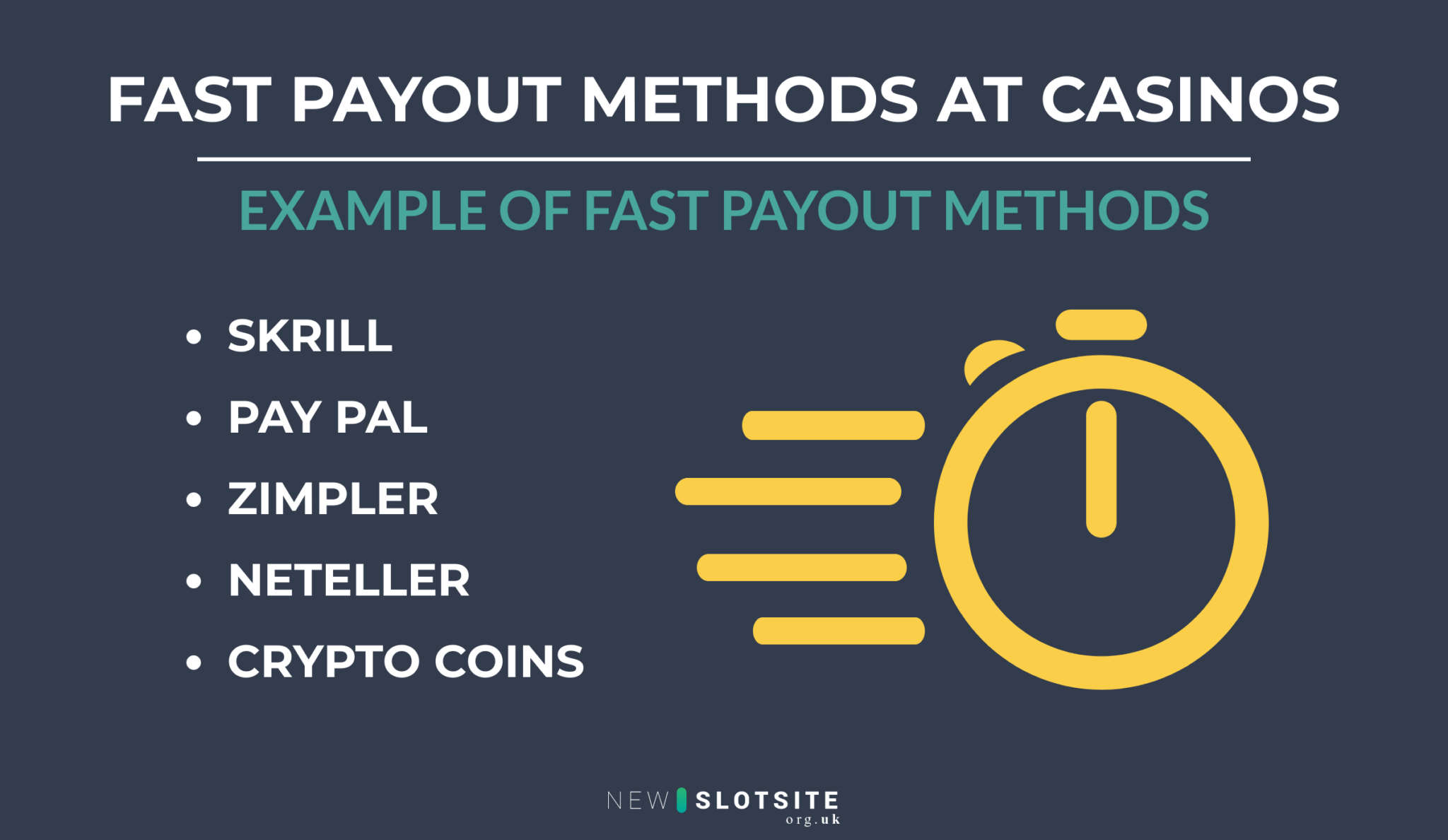
In our evaluation across multiple Portuguese casino platforms, we discovered that major e-wallet providers like Skrill, Neteller, and MuchBetter process deposits within seconds under normal conditions. However, first-time transactions often initiate additional verification steps that can lengthen processing to several minutes. Weekend and holiday periods occasionally cause delays due to reduced staffing at fraud prevention centers. We suggest completing identity verification with your e-wallet provider before attempting casino deposits to secure the smoothest possible experience.
Can Portuguese banks block e-wallet casino transactions?
Portuguese banks generally rarely block transfers to licensed e-wallet providers, but we have recorded cases where certain institutions flagged repeated gambling-related funding patterns for manual review. This typically takes place when funding amounts exceed normal recreational thresholds. The SRIJ licensing framework provides legal clarity that safeguards players using regulated platforms. We advise maintaining reasonable funding patterns and keeping records of your e-wallet transactions in case your bank requests clarification about transfer purposes.
Which specific e-wallet offers the lowest fees for Portuguese casino players?
Our comprehensive fee analysis showed that no single provider regularly offers the cheapest costs across all usage scenarios. MuchBetter regularly provides attractive rates for smaller frequent transactions typical among casual players. Skrill’s VIP program reduces fees considerably for high-volume users. Neteller offers beneficial terms for international play necessitating currency conversion. The optimal choice relies on your monthly deposit volume, withdrawal frequency, and whether you play at casinos denominated in euros or other currencies.
Am I eligible for casino bonuses when funding with e-wallets?
Most Portuguese-licensed casinos, including Fridayroll Casino, entirely recognize bonus eligibility for e-wallet deposits. However, we have observed that some international operators leave out Skrill and Neteller deposits from welcome bonus qualification due to historical bonus abuse patterns. Portuguese regulations require transparent bonus terms, so these exclusions must be clearly stated. We advise examining the specific bonus terms before depositing, as policies vary between operators and promotional periods.
What about no-deposit bonuses and e-wallet verification?
No-deposit bonuses generally require identity verification rather than payment method verification, so e-wallet ownership hardly ever affects eligibility. However, withdrawal of no-deposit bonus winnings almost always requires linking and verifying a payment method, at which point e-wallet compatibility becomes relevant. We have found that completing e-wallet verification in advance significantly accelerates the withdrawal process when you ultimately claim winnings from promotional play.
In what ways do Portuguese gambling regulations protect my e-wallet funds?
The SRIJ mandates that player funds held by licensed operators must be segregated from operational accounts and protected against creditor claims. This protection extends to funds deposited via e-wallets. Additionally, e-wallet providers operating in Portugal must comply with EU electronic money regulations that require safeguarding client funds in separate trust accounts. This double protection means your money remains protected both at the e-wallet level and at the casino level throughout the entire transaction lifecycle.
What occurs if my e-wallet account is hacked and used for casino deposits?
We have investigated numerous security incident reports and determined that resolution timelines differ significantly between providers. The leading e-wallet operators maintain dedicated fraud investigation teams that can freeze accounts and begin chargeback procedures within hours of documented compromise. Portuguese consumer protection law provides additional recourse, mandating financial service providers to handle unauthorized transaction disputes within specific timeframes. We highly advise enabling all available security features, including two-factor authentication and transaction notifications, to identify unauthorized activity immediately.
What are e-wallet transaction limits for Portuguese casino players?
Transaction limits operate at multiple levels simultaneously. E-wallet providers impose their own limits based on account verification status, with fully verified accounts commonly enjoying substantially higher ceilings. guia detalhado Portuguese casinos licensed by SRIJ must implement responsible gambling limits that may cap transaction sizes regardless of e-wallet capabilities. Additionally, Portuguese anti-money laundering regulations demand enhanced due diligence for transactions exceeding certain thresholds. We suggest verifying your account fully with both your e-wallet provider and casino platform to access the highest available limits.